October 22, 2026
Choosing the right countertops can transform a kitchen or bathroom, adding character, functionality, and visual appeal to the space. Because countertops influence both the appearance and everyday use of a room, selecting a material requires careful consideration. Homeowners must think about color, pattern, durability, maintenance, and how the surface will complement existing cabinets and flooring. Natural stone offers a distinctive appearance that works across many interior styles. Understanding the available options and evaluating household needs can make the selection process easier and help homeowners create a space that feels cohesive and practical. A thoughtful selection process also helps ensure the finished space reflects the household’s preferences while meeting practical needs for comfort, functionality, and style.
Evaluate the Benefits of Natural Stone
Natural stone offers an appealing combination of durability and visual character. Granite develops through natural geological processes, creating distinctive mineral patterns, colors, and textures. These variations make each installation visually different, allowing homeowners to choose a surface that complements their personal style rather than relying on a uniform manufactured appearance.
According to Home Advisor, granite countertops are entirely natural, which means every slab has its own distinctive appearance and no two are identical. This individuality can be especially appealing to homeowners who want a surface that serves as a focal point in a kitchen or bathroom. Examining actual stone samples can help reveal the subtle variations that may not be apparent in photographs.
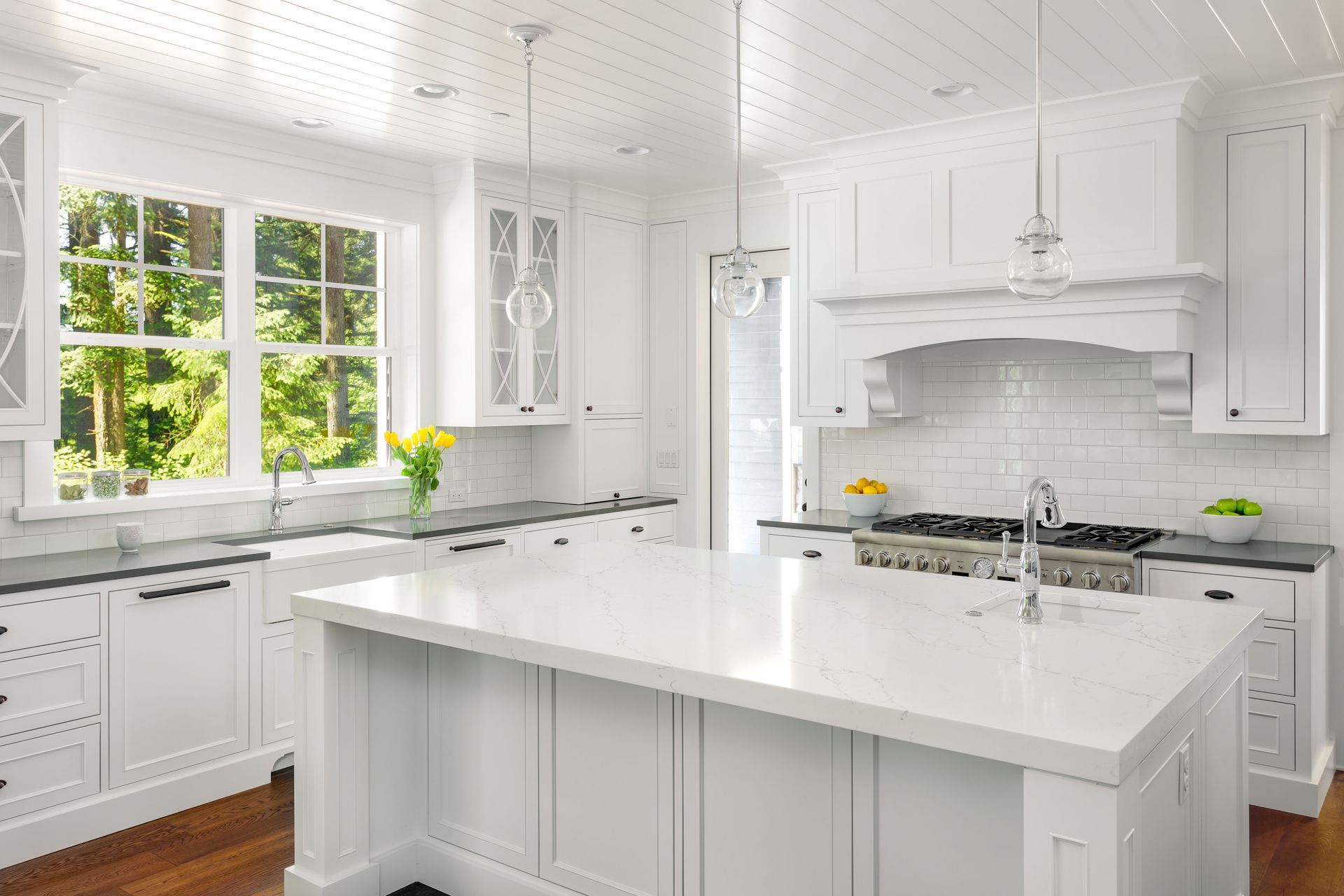
Beyond appearance, natural stone can suit a range of interior designs. Lighter surfaces can contribute to an open, airy atmosphere, while darker selections may create contrast against light cabinetry. Stones with prominent veining or mineral movement can introduce visual interest without requiring additional decorative elements throughout the room.
Compare Colors and Patterns
Color selection influences how countertops interact with the rest of a room. White, cream, and light gray surfaces can complement contemporary kitchens and traditional interiors alike. Darker shades, including black and deep brown, may create a striking contrast with lighter cabinets or coordinate with other dark finishes.
Pattern deserves equal attention. Some granite features subtle speckling and relatively consistent coloration, while other slabs contain dramatic veins, flowing mineral patterns, or contrasting tones. A quieter pattern can work well in a room with detailed cabinetry or decorative backsplashes. More expressive stone may become the central design feature in a simpler space.
Homeowners should examine samples alongside cabinet finishes, flooring, paint colors, and backsplash materials whenever possible. Lighting also affects how stone appears, so a surface that looks warm in a showroom may appear cooler under different lighting conditions. Viewing samples in the intended room can help prevent unexpected differences after installation.
Assess Durability and Daily Use
Countertops experience regular contact with food, cookware, cleaning products, and everyday household activities. Selecting a suitable material means understanding how it performs under these conditions and what care it requires. Granite is generally valued for its hardness and resistance to ordinary wear, making it a popular option for busy kitchens and frequently used bathrooms.
However, durability does not mean a surface is impossible to damage. Heavy impacts, abrasive materials, and inappropriate cleaning products can affect its appearance. Certain stones may also be more susceptible to staining if spills are left unattended or the surface has not received suitable protection. Understanding these considerations helps homeowners establish realistic expectations.
Household routines should influence the decision. A kitchen used for frequent meal preparation may benefit from a durable surface that can be maintained without an elaborate cleaning process. A bathroom countertop may face different demands, including cosmetics, toiletries, and regular exposure to moisture. Evaluating how each room functions can help identify an appropriate stone and finish.
Understand Cleaning and Maintenance
Proper maintenance helps preserve the appearance of natural stone. Everyday cleaning generally involves removing crumbs, wiping spills promptly, and using a cleaner appropriate for the countertop material. Harsh chemicals and abrasive cleaning tools can damage certain finishes, so product labels and professional recommendations should guide cleaning choices.
Sealing is another consideration when selecting granite. Depending on the stone's characteristics and the protective treatment applied, periodic sealing may help reduce the risk of staining. The need for additional treatment varies, so homeowners should ask about the particular slab rather than assuming every surface requires identical care.
Maintenance also includes avoiding unnecessary stress on the countertop. Cutting directly on the surface can dull kitchen knives, while placing extremely hot cookware directly on stone may create risks associated with sudden temperature changes. Using cutting boards and suitable trivets helps protect the finish and supports long-term enjoyment of the installation.
Plan the Layout and Installation
Countertop selection should account for the dimensions and layout of the room. Cabinet placement, sink openings, appliance locations, and edge profiles all influence the finished result. Careful measurements are essential because stone is cut to fit the intended configuration, and mistakes can complicate installation or create unnecessary material waste.
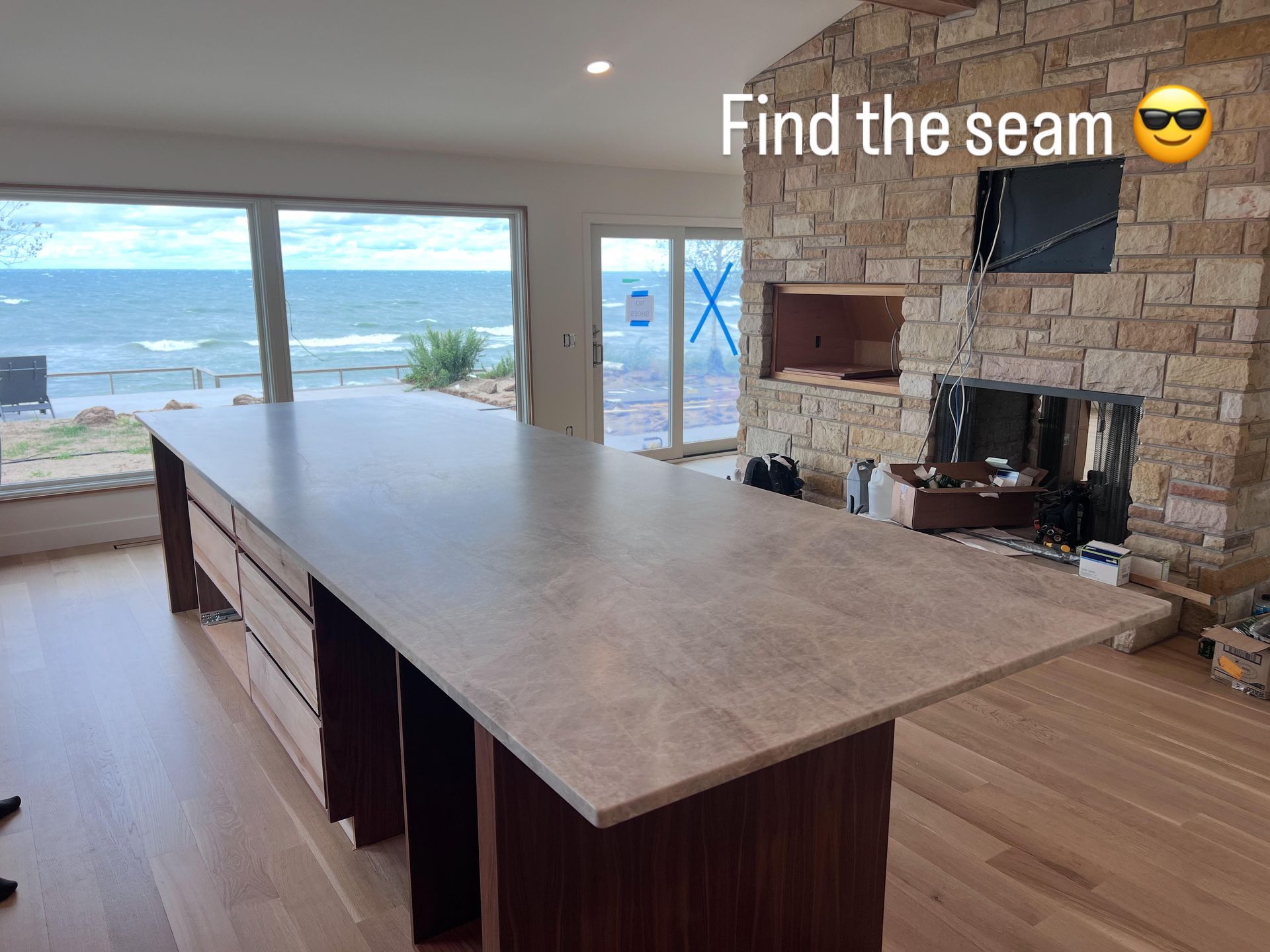
Seams are another important planning consideration. Depending on the countertop dimensions, slab characteristics, and room layout, an installation may require joints between sections. The location and appearance of these seams can affect the overall visual result. Discussing placement with the installation professional beforehand helps establish expectations and identify practical solutions.
Edge profiles also contribute to the final design. A simple edge may suit a clean, contemporary interior, while a more decorative profile can complement traditional cabinetry. Homeowners should consider appearance alongside practicality, including how the edge will interact with nearby cabinets and how easily the finished surface can be cleaned.
Professional installation helps ensure that the stone is properly supported, accurately fitted, and securely positioned. Natural slabs can be heavy and difficult to handle, particularly when cutouts and unusual dimensions are involved. Coordinating measurements, fabrication, delivery, and installation helps reduce avoidable complications and supports a more consistent finished appearance.
Establish a Realistic Countertop Budget
Budget planning involves more than comparing the listed price of different stone options. The final project cost may depend on the selected slab, countertop dimensions, fabrication requirements, edge treatments, sink cutouts, delivery, and installation. Additional work involving cabinetry or plumbing can also affect the overall investment.
Homeowners should request detailed estimates that explain what the quoted price includes. Comparing proposals with similar specifications makes it easier to understand differences in pricing and avoid unexpected expenses. It is also useful to ask whether particular finishes, edge designs, or installation requirements will change the estimate.
Value should be considered alongside the initial cost. A countertop contributes to the room's appearance and must withstand its intended use, so selecting the least expensive option may not always provide the best fit. Conversely, a premium slab may be unnecessary when a simpler pattern meets the household's functional and design preferences.
The best decision balances appearance, durability, maintenance, and affordability. Reviewing available stone options, discussing installation requirements, and establishing a clear budget can help homeowners move forward with greater confidence. A carefully selected countertop can become a lasting part of the home's design while supporting the routines that take place around it.
For homeowners ready to upgrade their kitchens or bathrooms, Granite Pro Inc can help turn countertop ideas into a practical plan. Explore available
granite countertops, compare distinctive stone patterns, and request a professional consultation to find a surface that complements the home and fits the project's needs.